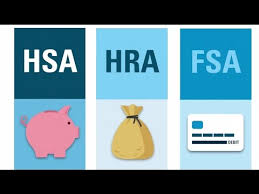
In light of the Coronavirus pandemic, Congress, the Office of Personnel Management (OPM), and the IRS have made key changes affecting the use of tax-free funds that reside in tax preferred spending accounts:

The COVID-19 pandemic has disrupted and changed the health insurance landscape for many people. Here’s a review of the various options available to people, depending on their specific situation and eligibility:
On March 27, 2020, the Coronavirus Aid, Relief, and Economic Security Act (CARES Act) became law. The CARES Act amends certain provisions of the Families First Coronavirus Response Act (“FFCRA”). CARES also temporarily eliminates deductibles for certain services in HSA Qualified High Deductible Health Plans (HDHPs), and temporarily expands the list of qualified expenses reimbursable through HSAs, HRAs, and FSAs.
On March 18, 2020 the President signed into law the Families First Coronavirus Response Act (FFCRA), which takes effect April 2, 2020. The FFCRA includes several provisions that impact employers with less than 500 employees, with allowable exemptions for affected employers with fewer than 50 employees. This blog post addresses the three (3) main aspects of the FFCRA: 1. Mandated waiver of health insurance related cost sharing for COVID-19 testing; 2. New paid leave entitlements; and 3. Employer tax credits.

Leaders of the major health insurance companies in the U.S. agreed to expand insurance benefits related to Corornavirus/COVID-19, in a historical meeting held at the White House yesterday (March 10, 2020). Present at the meeting were executives from: Aetna
Blue Cross Blue Shield (BCBS) Association (representing the 36 BCBS plans throughout the nation, including Anthem)
Cigna
Humana
UnitedHealth Group (aka United Healthcare)


