
On March 18, 2020 the President signed into law the Families First Coronavirus Response Act (FFCRA), which takes effect April 2, 2020. The FFCRA includes several provisions that impact employers with less than 500 employees, with allowable exemptions for affected employers with fewer than 50 employees. This blog post addresses the three (3) main aspects of the FFCRA: 1. Mandated waiver of health insurance related cost sharing for COVID-19 testing; 2. New paid leave entitlements; and 3. Employer tax credits.

Leaders of the major health insurance companies in the U.S. agreed to expand insurance benefits related to Corornavirus/COVID-19, in a historical meeting held at the White House yesterday (March 10, 2020). Present at the meeting were executives from: Aetna
Blue Cross Blue Shield (BCBS) Association (representing the 36 BCBS plans throughout the nation, including Anthem)
Cigna
Humana
UnitedHealth Group (aka United Healthcare)

On Jan. 15, 2020, the Department of Labor (DOL) released its 2020
inflation-adjusted civil monetary penalties that may be assessed on
employers for violations of a wide range of federal laws, including:
The Fair Labor Standards Act (FLSA);
The Employee Retirement Income Security Act (ERISA);
The Family and Medical Leave Act (FMLA); and
The Occupational Safety and Health Act (OSH Act).

There is never a dull moment in congress, particularly as it relates to healthcare reform! While we have been reading and hearing, for most of the year, about congressional efforts to eliminate so called “surprise medical bills”, and reduce escalating drug prices, what we ultimately got were ACA tax cuts. In total, $373 billion worth of ACA related tax cuts are coming as a result of the House and Senate passed spending/funding bill.
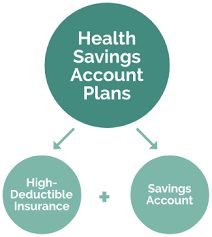
Here are the maximum limits for Health Savings Accounts (HSA) and the required (qualified) High Deductible Health Plans (HDHP) for 2020…

The IRS has announced a delay for furnishing 2019 related ACA notices to employees…

Stop the (healthcare) madness! I often lecture (both when asked and not) about one of the most defective, yet easily correctable parts of our healthcare system. That is…our penchant for insuring risks that are neither catastrophic nor unexpected in cost or aspect. The administrative costs associated with processing lower cost healthcare claims slows down the system, and inflates already high premium costs
Both the pace and scope of changes in the healthcare/health insurance space accelerated this past week (7/15/19-7/19/19) with several important developments. Here’s a recap of what all took place…
Since the passage of the Affordable Care Act (ACA) in March of 2010, much has been discussed, debated, written, and deployed relative to healthcare FINANCING reforms (see insurance, Medicare, Medicaid, self-insured employers, fees/taxes, pre-existing conditions, essential health benefits, community rating, minimum loss ratio, etc.). But very little has been written, or even revealed for that matter, about the ACA’s healthcare DELIVERY reforms and incentives. This is too bad, since we know that $.80 to $.85 of every dollar of billed health insurance premium is directly related to healthcare delivery. So it stands to reason that if we could reduce health CARE costs, health insurance PREMIUMS would follow suit. Enter Accountable Care Organizations (ACO) into the equation. Let’s examine what ACO’s are…who they are…and why many are looking to them to save America’s healthcare system from imploding.

As employers, patients, and other stakeholders continue to struggle with the rising cost of healthcare (and health insurance!), one particular component of overall healthcare spending seems to be occupying the majority of attention – prescription drugs! In 2019, the U.S. is projected to spend $500 billion on prescription drugs alone, which marks a 12x increase from less than 20 years ago!* A number of factors are at play in the cost pressures affecting drugs, on both the supply and demand side. Much is being discussed and debated on the topic of addressing skyrocketing drug prices, including government intervention on a number of fronts. Needless to say, we are closely monitoring developments in the area of prescription drug trends. So here is the first of likely several posts addressing some of the more pressing matters affecting prescription drug use and spending.


